
Introduction
Modern life can become busy very quickly. Between work, family responsibilities, personal goals, financial commitments and everyday activities, it is sometimes difficult to find enough time for everything. Many people move from one responsibility to another without taking a moment to organise their lives or consider whether their daily routines are helping them achieve what matters most.
Creating a balanced and organised lifestyle does not mean having a perfect schedule or completing every task each day. It means learning to manage your time, responsibilities and personal needs in a way that makes everyday life more manageable and enjoyable.
A balanced lifestyle allows you to pay attention to important areas of your life, including work, relationships, health, personal development, finances and relaxation. Good organisation can also reduce unnecessary stress, improve productivity and give you more control over your daily activities.
The good news is that you do not need to make major changes immediately. Small, consistent improvements can make a meaningful difference. Here are practical ways to create a more balanced and organised lifestyle.
1. Set Clear Priorities for Your Life
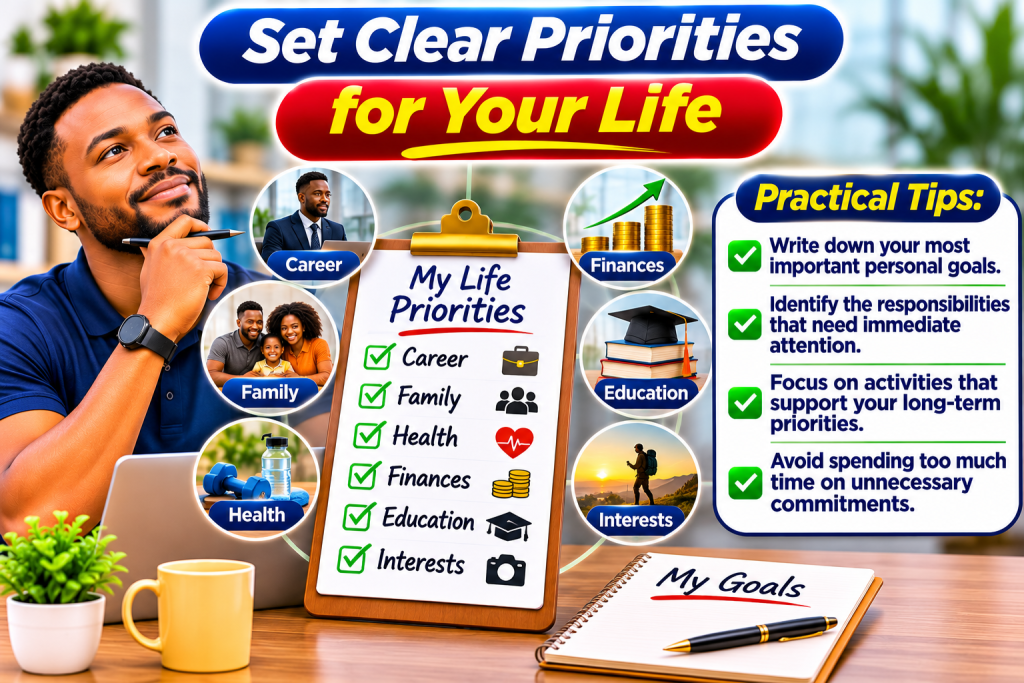
One of the first steps towards a balanced lifestyle is understanding what is important to you. When everything appears equally urgent, it becomes difficult to decide where to direct your attention.
Take some time to identify the areas of life that deserve your attention. These may include your career, family, personal health, finances, friendships, education and personal interests.
Once you understand your priorities, you can make better decisions about how to spend your time and energy. For example, someone who wants to improve their career may decide to dedicate a few hours each week to learning new skills. Someone who values family relationships may make time for regular family activities.
Practical tips:
- Write down your most important personal goals.
- Identify the responsibilities that need immediate attention.
- Focus on activities that support your long-term priorities.
- Avoid spending too much time on unnecessary commitments.
Knowing your priorities helps you avoid living each day without a clear direction.
2. Create a Simple Daily Routine
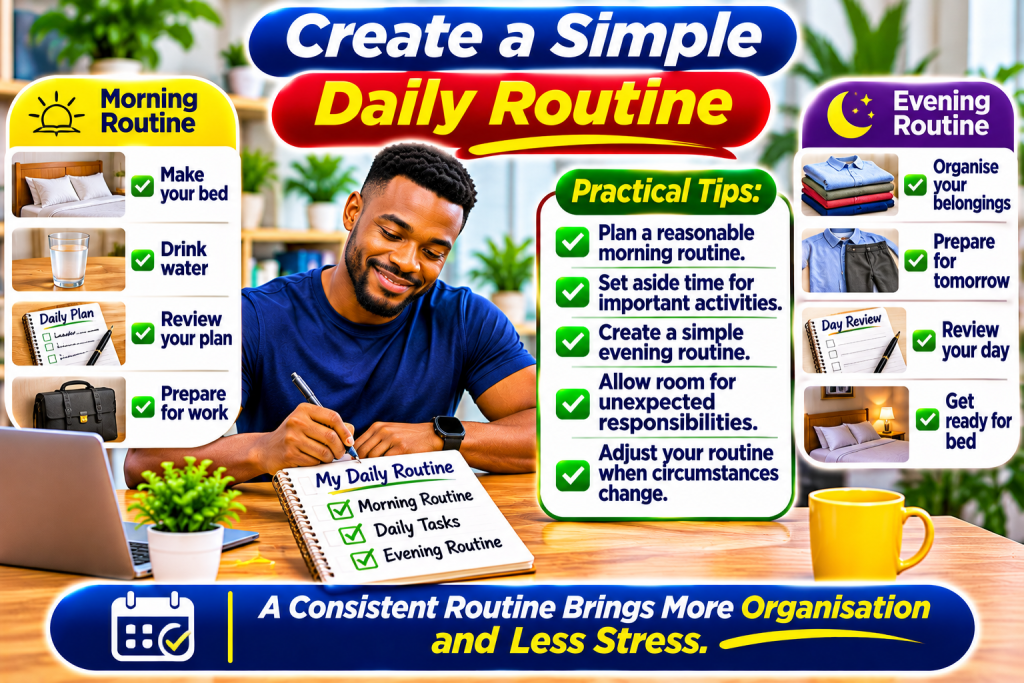
A daily routine provides structure and makes it easier to manage everyday responsibilities. Without a routine, you may spend too much time deciding what to do next or forget important tasks.
Your routine does not need to be complicated. It can include waking up at a consistent time, preparing for the day, completing important tasks, taking breaks and getting ready for bed.
For example, you could begin your morning by making your bed, drinking water, reviewing your daily plans and preparing for work. In the evening, you might organise your belongings, prepare your clothes for the next day and spend a few minutes reviewing what you accomplished.
The purpose of a routine is not to make every day identical. It is to create helpful habits that make your responsibilities easier to manage.
Practical tips:
- Plan a reasonable morning routine.
- Set aside time for important daily activities.
- Create a simple evening routine.
- Allow room for unexpected responsibilities.
- Adjust your routine when your circumstances change.
A consistent routine can make daily life feel more organised and less overwhelming.
3. Learn to Manage Your Time Effectively
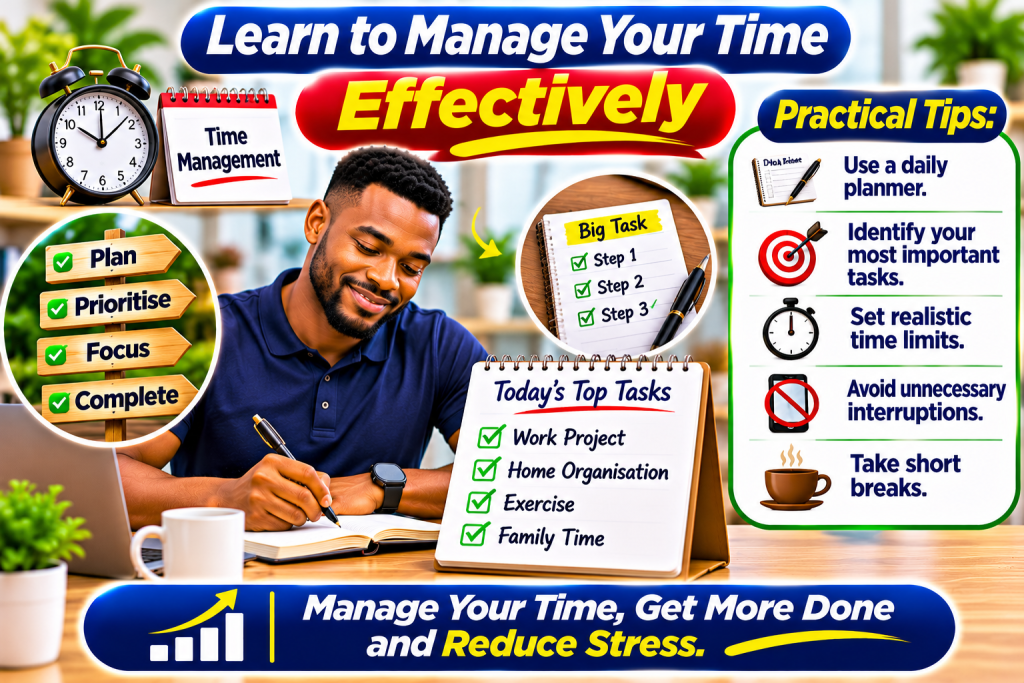
Time management is an important part of creating a balanced lifestyle. Everyone has the same number of hours in a day, but how those hours are used can make a significant difference.
Poor time management can result in unfinished tasks, missed appointments and unnecessary pressure. Learning to organise your time helps you complete important activities without constantly feeling rushed.
One useful approach is to identify the most important tasks for each day. Instead of creating a long list that may be difficult to complete, choose three or four major activities that deserve your attention.
You can also divide larger tasks into smaller steps. For instance, instead of planning to organise your entire home in one day, arrange one room or section at a time.
Practical tips:
- Use a daily planner or notebook.
- Identify your most important tasks.
- Set realistic time limits for activities.
- Avoid unnecessary interruptions.
- Take short breaks between demanding tasks.
Effective time management helps you become more productive while leaving room for rest and personal activities.
4. Keep Your Home and Environment Organised
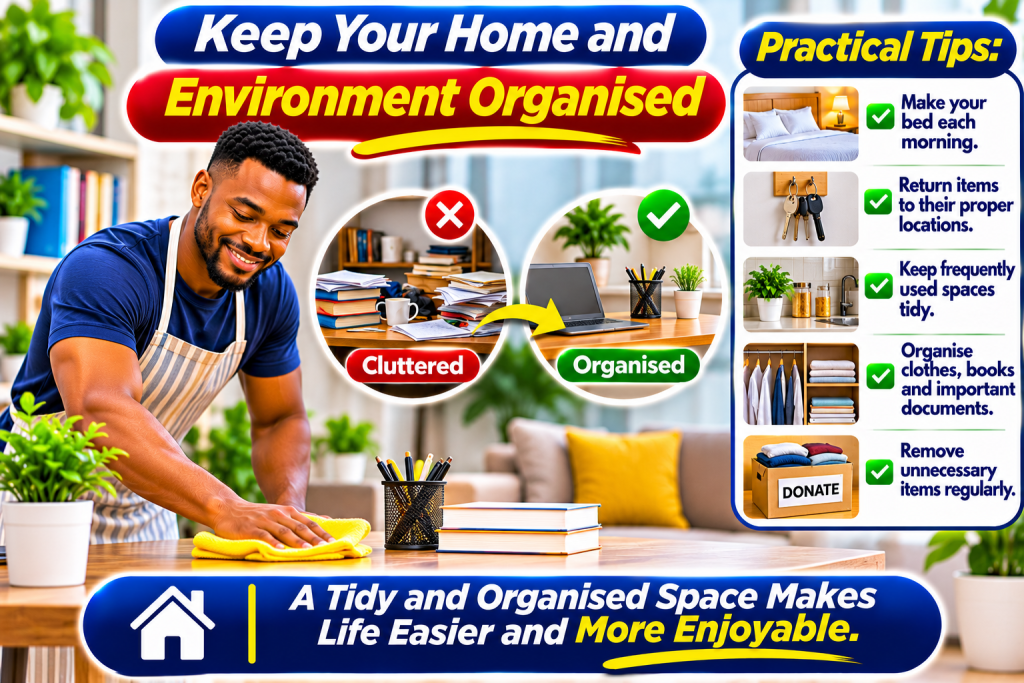
Your surroundings can influence how easily you complete everyday activities. A cluttered environment may make it harder to find important items, concentrate on tasks or enjoy your personal space.
Keeping your home organised does not require expensive furniture or decorations. Simple changes, such as arranging household items properly and regularly removing things you no longer need, can improve your living environment.
For example, keep frequently used items in accessible locations, arrange your clothes according to how often you wear them and create a designated place for important documents.
It is also helpful to clean as you go rather than allowing household tasks to accumulate.
Practical tips:
- Make your bed each morning.
- Return items to their proper locations after use.
- Keep frequently used spaces tidy.
- Organise clothes, books and important documents.
- Remove unnecessary items regularly.
An organised environment can make everyday activities more convenient and enjoyable.
5. Maintain a Healthy Work-Life Balance
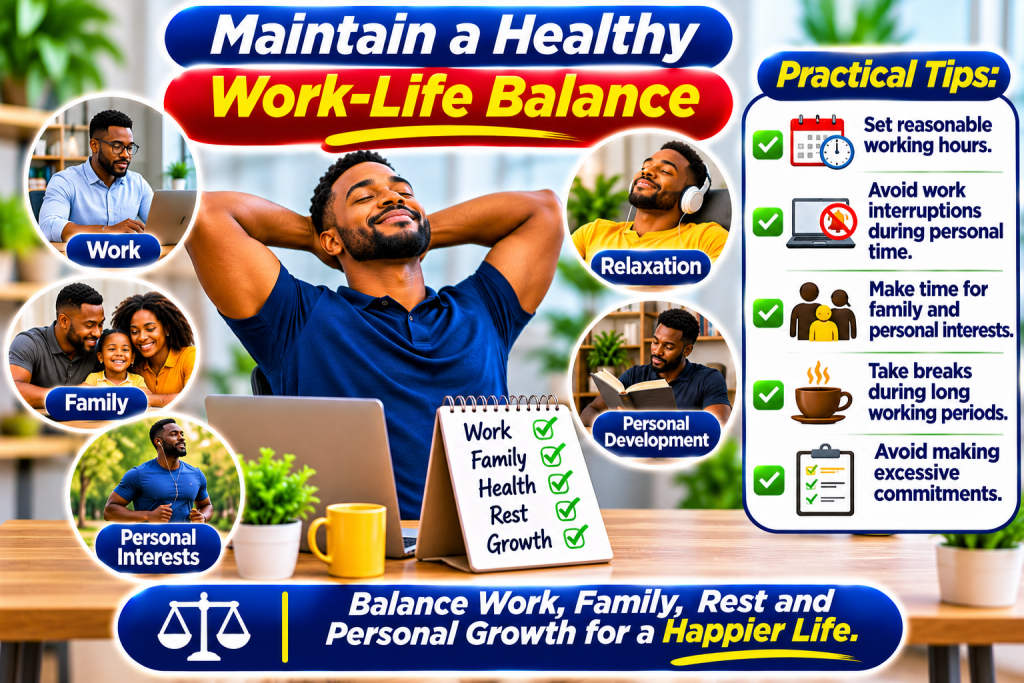
Work is an important part of life, but it should not take up so much time that other responsibilities and personal interests are consistently neglected.
A healthy work-life balance means managing your professional responsibilities while making room for family, friendships, relaxation and personal development.
For people who work long hours, this may require setting clearer boundaries between working time and personal time. For those who work from home, creating a specific workspace can help separate professional activities from household responsibilities.
It is also important to recognise that balance may look different at different stages of life. Some periods may require more attention to work, while others may involve greater family or personal commitments.
Practical tips:
- Set reasonable working hours where possible.
- Avoid unnecessary work interruptions during personal time.
- Make time for family and personal interests.
- Take breaks during long working periods.
- Avoid making excessive commitments.
Remember that being productive does not mean being busy every moment. Personal time is also an important part of a balanced life.
6. Make Time for Physical Activity

Physical activity can be a valuable part of an organised daily routine. It helps people maintain an active lifestyle and provides an opportunity to step away from work or other demanding activities.
You do not necessarily need an expensive gym membership to remain active. Walking, cycling, dancing, swimming, gardening and simple home exercises are examples of activities that can fit into everyday life.
The most important thing is to choose activities that are enjoyable, practical and appropriate for your ability.
For example, you could take a short walk in the morning, use part of your lunch break for movement or follow a simple exercise routine at home.
Practical tips:
- Choose activities that you enjoy.
- Set realistic weekly activity goals.
- Reduce long periods of uninterrupted sitting.
- Start gradually and increase activity over time.
- Make physical activity part of your regular schedule.
Choosing enjoyable activities can make it easier to remain consistent.
7. Develop Better Financial Habits
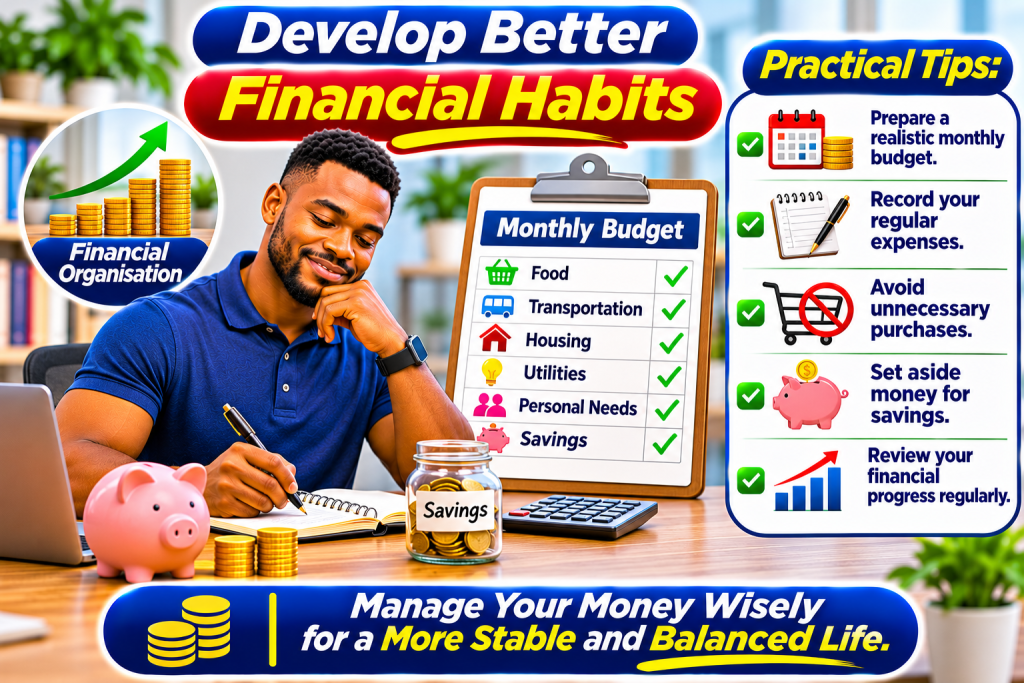
Financial organisation is another important aspect of a balanced lifestyle. Poor money management can create unnecessary difficulties and make it harder to achieve personal goals.
A good starting point is understanding how much money you receive and how much you spend. Keeping simple records of your income and expenses can help you identify areas where adjustments may be necessary.
You can also create a monthly budget that covers important expenses such as food, transportation, housing, utilities, savings and personal needs.
Saving does not always require large amounts of money. Setting aside a manageable amount regularly can help you prepare for future responsibilities and unexpected expenses.
Practical tips:
- Prepare a realistic monthly budget.
- Record your regular expenses.
- Avoid unnecessary purchases.
- Set aside money for savings when possible.
- Review your financial progress regularly.
Good financial habits can provide greater control over your resources and support long-term stability.
8. Reduce Excessive Screen Time

Digital devices have become an important part of modern life. Smartphones, computers and social media help people communicate, work, learn and access information. However, spending too much time on screens can take attention away from other important activities.
For example, constantly checking social media may interrupt work, study, family conversations or relaxation. Spending excessive time on digital entertainment may also reduce the time available for hobbies and outdoor activities.
The goal is not to avoid technology completely but to use it more intentionally.
Practical tips:
- Turn off unnecessary notifications.
- Avoid checking your phone during important conversations.
- Set reasonable limits for social media use.
- Take breaks from screens throughout the day.
- Make time for activities that do not involve digital devices.
Being more intentional with technology can help you use your time more effectively.
9. Build and Maintain Good Relationships

Healthy relationships contribute to a more fulfilling lifestyle. Family members, friends, colleagues and supportive people in your community can provide encouragement, companionship and valuable assistance during challenging periods.
However, maintaining good relationships requires attention and effort. Communication, respect, honesty and consideration are important qualities that help relationships remain strong.
You do not always need expensive outings or elaborate activities to maintain meaningful connections. Simple actions such as checking on someone, sharing a meal, having a conversation or spending quality time together can make a difference.
It is also important to recognise the value of personal boundaries. Healthy relationships should allow people to express themselves respectfully while maintaining their individual responsibilities and interests.
Practical tips:
- Make time for people who matter to you.
- Communicate openly and respectfully.
- Listen when others express their concerns.
- Show appreciation for people’s support.
- Maintain healthy personal boundaries.
Good relationships can make everyday life more meaningful and enjoyable.
10. Make Time for Rest and Personal Interests
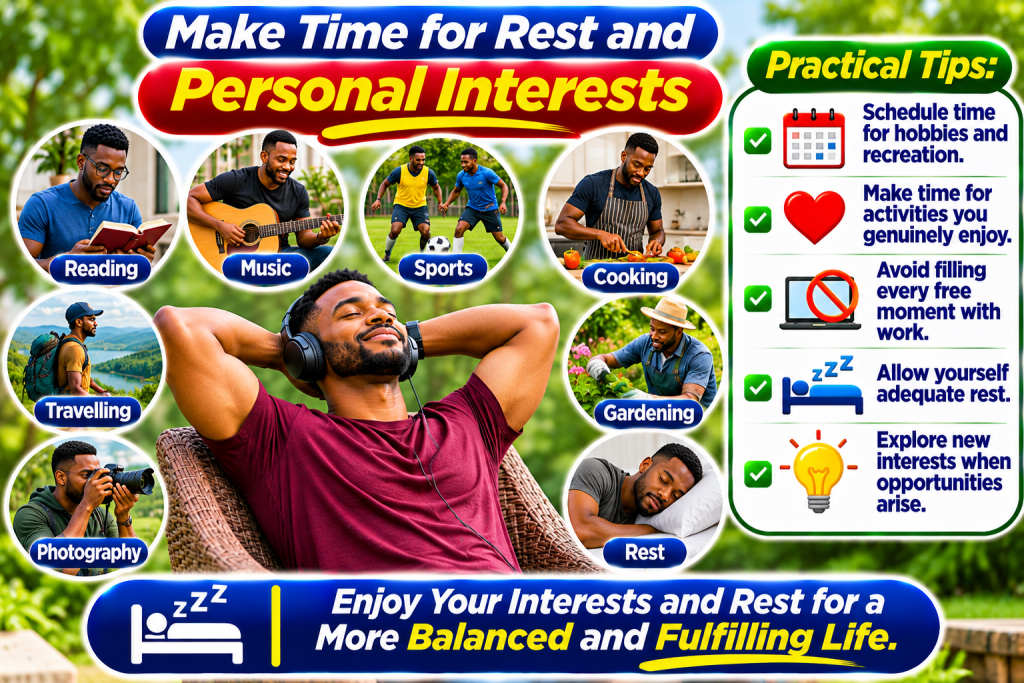
A balanced lifestyle should include activities that allow you to relax and enjoy life outside your responsibilities.
Some people enjoy reading, listening to music, playing sports, travelling, cooking, gardening or spending time outdoors. Others prefer creative activities such as photography, writing, drawing or learning an instrument.
These activities can provide a welcome break from everyday demands and give you opportunities to explore your interests.
Rest is equally important. Allowing yourself time to relax after demanding activities can help you maintain a more sustainable routine.
Practical tips:
- Schedule time for hobbies and recreation.
- Make time for activities you genuinely enjoy.
- Avoid filling every free moment with work.
- Allow yourself adequate rest.
- Explore new interests when opportunities arise.
Personal interests make life more enjoyable and help create a healthier balance between responsibilities and recreation.
11. Review Your Progress and Adjust Your Habits
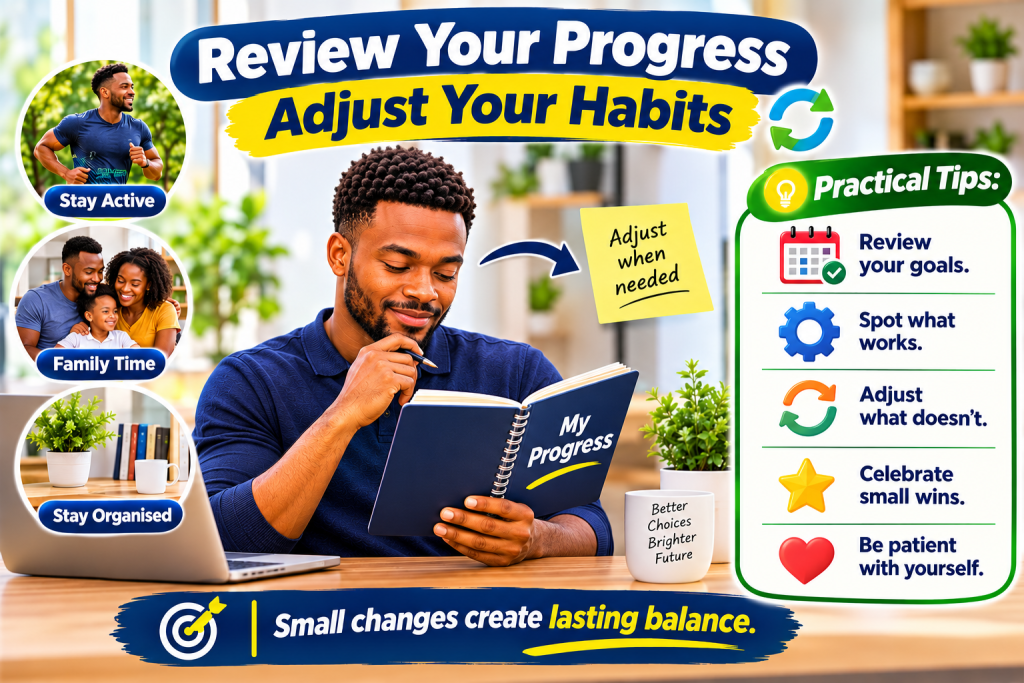
Creating a balanced lifestyle is an ongoing process. Your responsibilities, interests and circumstances may change over time, so your routines should be flexible enough to change with them.
Reviewing your progress regularly helps you understand what is working and what needs improvement.
For example, you may discover that your morning routine is too demanding or that you have not been making enough time for family activities. Instead of abandoning your entire plan, identify the specific areas that need adjustment.
It is also important to recognise small improvements. Completing important tasks, maintaining a tidy environment, saving regularly or becoming more consistent with physical activity are all examples of meaningful progress.
Practical tips:
- Review your goals at the end of each week.
- Identify habits that are helping you.
- Adjust routines that are difficult to maintain.
- Celebrate small achievements.
- Be patient with yourself when progress is slow.
The ability to review and improve your habits can help you maintain a balanced lifestyle over time.
Conclusion
Creating a balanced and organised lifestyle does not require changing everything at once. It begins with understanding your priorities, developing helpful routines and making better decisions about how you use your time, money and energy.
Simple habits such as keeping your home organised, managing your finances, maintaining good relationships, staying physically active and making time for relaxation can gradually improve your everyday experience.
There will be days when your plans do not work exactly as expected. Unexpected responsibilities and changing circumstances are part of life. What matters is your willingness to adjust, learn and continue making progress.
Start with a few changes that are realistic for your situation. Build on them gradually and give yourself enough time to develop habits that last.
A balanced lifestyle is not about living perfectly. It is about creating a way of life that supports your responsibilities, personal interests, relationships and long-term goals. Small improvements, when practised consistently, can make everyday life more organised, productive and fulfilling.